Business Checklist with Progress
A Practical Design for Real Projects
As a designer who regularly works with embroidery files and digital graphics, I’m always on the lookout for designs that can be used in real-world projects without compromising quality or visual appeal. Business Checklist with Progress caught my eye immediately—not just for its clean layout, but for how it could translate into something meaningful for a variety of handmade and commercial uses.
The First Impression
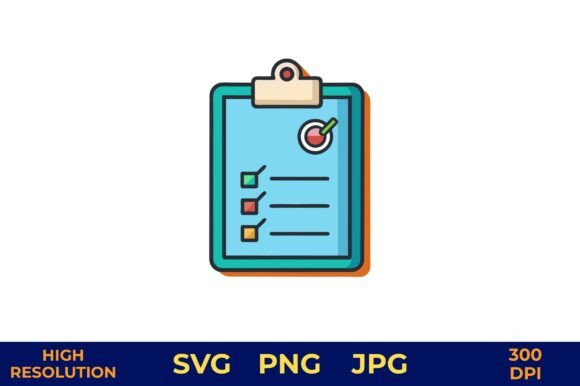
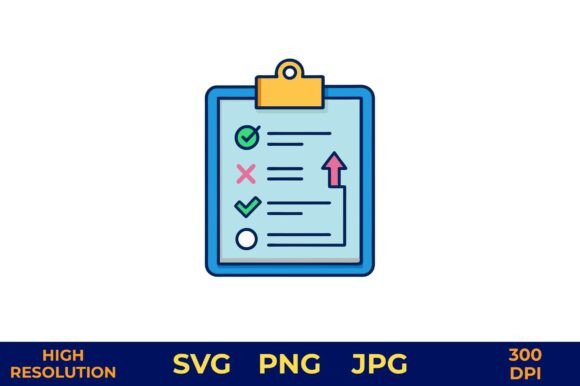
At first glance, Business Checklist with Progress feels like a modern, organized tool—something that brings a sense of control and clarity to any project. The design is structured around a clipboard with checkmarks and a progress arrow, which immediately suggests themes of productivity, planning, and personal growth. The color palette is vibrant yet balanced, making it visually engaging without overwhelming the eye.
What stands out most is the intentional layout. The elements are arranged in a way that guides the viewer’s attention from top to bottom, mirroring the natural flow of checking off tasks. This makes it not only aesthetically pleasing but also functional as an embroidery design. The use of satellite elements like small icons and arrows adds depth without cluttering the main message.
Real-Life Use Case: Custom Embroidered Tote Bag
Let’s imagine a scenario where I’m preparing a custom embroidered tote bag for a client. The design needs to be clear, readable from a distance, and suitable for both light and dark fabric backgrounds. Business Checklist with Progress fits this need perfectly. Its clean lines and high contrast make it ideal for large-scale embroidery, especially when printed on a transparent background.
I’d place the design near the top of the tote bag, ensuring it doesn’t interfere with the bag’s functionality. The checklist theme would resonate well with small business owners, creatives, and professionals looking for a motivational touch. It’s versatile enough to work as a personalized gift, a boutique product, or even a craft fair item.
Performance in Real-World Embroidery
When considering how Business Checklist with Progress performs in actual embroidery, several factors come into play. The design’s stitch density is moderate, which means it should stitch smoothly without causing issues on most machines. However, the level of detail in the clipboard and checkmarks may require careful handling, especially on smaller hoop sizes.
For small hoop sizes, the design might appear slightly compressed, so it’s important to test it on scrap fabric before committing to a finished product. On textured or stretchy fabrics, the design might lose some clarity, so using the right stabilizer becomes crucial. Dark fabric backgrounds will benefit from bright thread colors, while lighter fabrics may require a more neutral palette to maintain contrast.
One thing to note is the transparent background option. This allows for greater flexibility in application, whether you’re embroidering on a white canvas or a patterned fabric. It’s also useful for creating printable mockups or integrating the design into larger compositions.
Design Considerations for Different Products
Business Checklist with Progress is a great fit for a range of products. For custom apparel, it could be used on t-shirts, sweatshirts, or caps, adding a professional and thoughtful touch. In holiday embroidery, it could serve as a seasonal motif for gifts or decorations. For commercial embroidery, it’s a solid choice for branding, especially for businesses that emphasize organization or goal-setting.
It also has potential for personalized gifts, such as baby items, patches, or aprons. The checklist theme resonates well with parents and caregivers, making it a meaningful addition to everyday items. When designing for craft businesses or Etsy sellers, the design’s versatility ensures it can be adapted to various markets and customer preferences.
Where to Use Carefully
While Business Checklist with Progress is generally reliable, there are a few areas where it may require extra attention. On thin or stretchy fabrics, the design might distort slightly during stitching, so testing on a sample is essential. Dense stitch areas, such as the detailed corners of the clipboard, may require additional stabilizing or a higher-quality machine.
For curved surfaces like caps or hats, the design may need slight adjustments to ensure it looks proportionate and readable. Additionally, the tiny lettering and decorative accents should be checked for clarity, especially if the design is intended for close-up viewing.
Visual Appeal and Customer Trust
The visual appeal of Business Checklist with Progress plays a key role in how customers perceive the final product. A well-executed design enhances the handmade presentation and contributes to the brand consistency of a craft business. It also helps build customer trust, as a clear and professional-looking design signals attention to detail and quality craftsmanship.
From a buyer engagement perspective, the design’s thematic relevance makes it appealing to a wide audience. Whether it’s for a personalized gift or a commercial product, the checklist motif offers a universal appeal that transcends age, gender, and profession.
Practical Designer Notes
Before using Business Checklist with Progress in a real project, I recommend a few steps to ensure success. Start by testing the design on scrap fabric to see how it stitches and appears under different conditions. Check the thread color contrast against the fabric background, and consider using a black and white mockup to assess clarity.
Review the stitch density and confirm the hoop size required for optimal results. If you plan to sell finished products or digital assets, make sure you understand the licensing terms associated with the design. Always use proper stabilizer to prevent puckering and ensure smooth stitching.
Finally, consider the product value and giftability of your final piece. A well-executed embroidery of Business Checklist with Progress can elevate a simple item into a meaningful and memorable creation.